
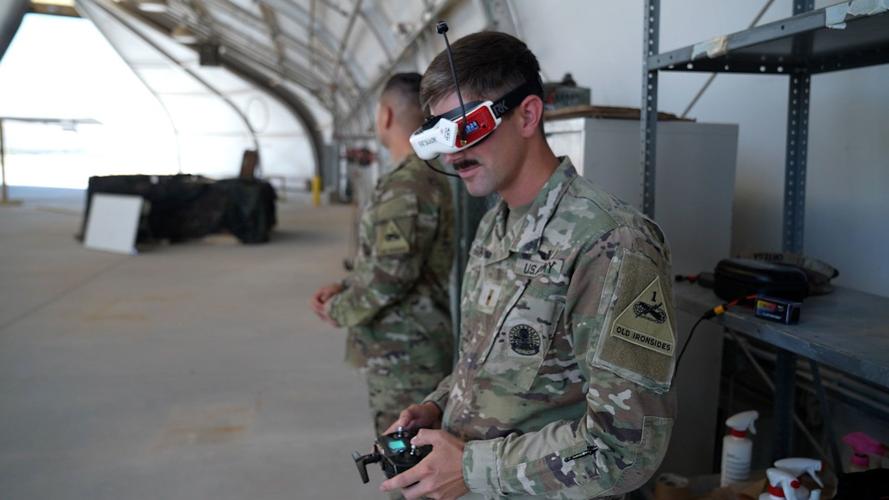


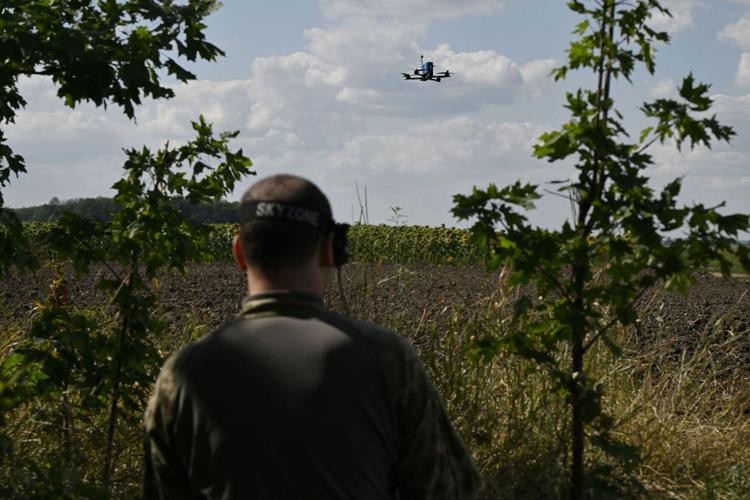
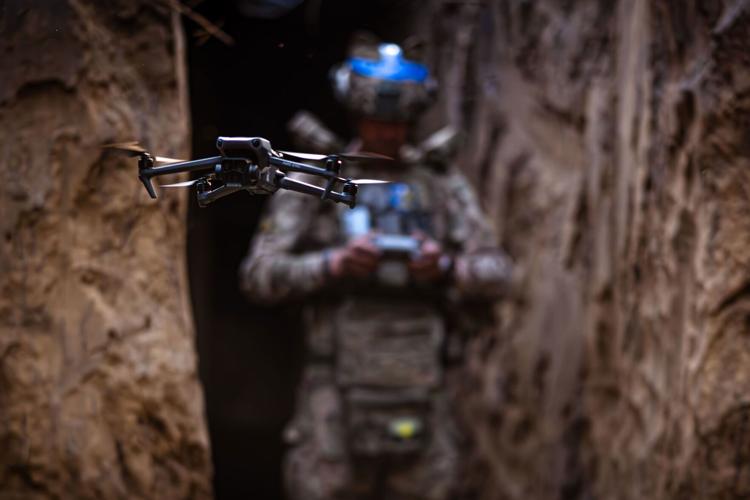
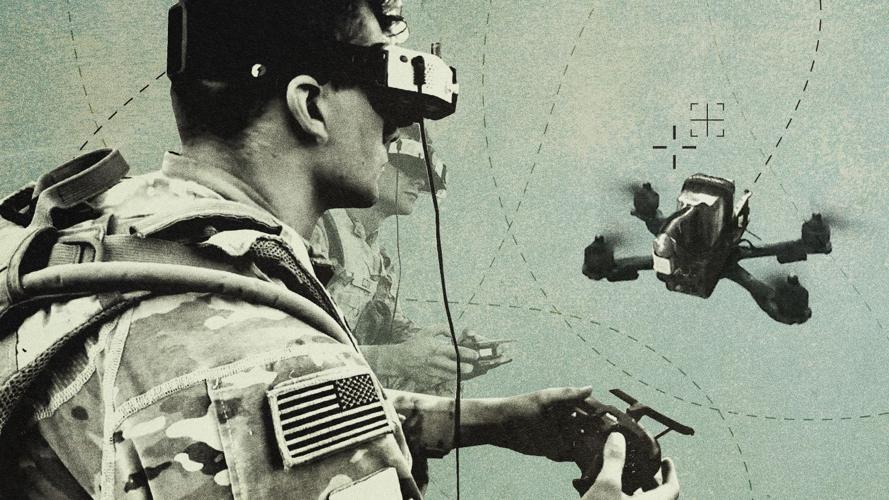

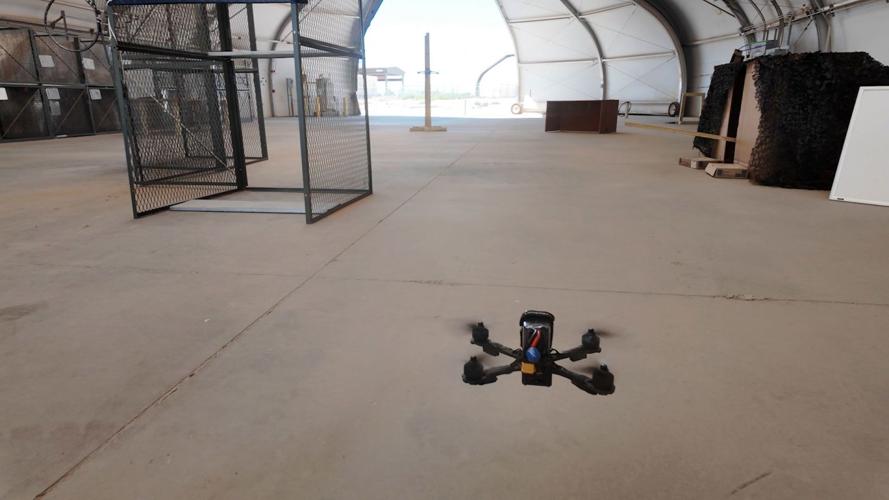
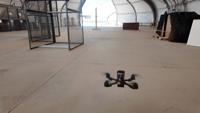

(CNN) 鈥� The future of warfare felt a lot like playing a video game. Soldiers fastened on virtual-reality glasses and then moved their fingers across the joystick in their palms. A small drone buzzed and lifted in response.
At a military base in Texas last month, American soldiers trained on how to operate small quadcopters, the kind that now dominate the battlefield in Ukraine and are increasingly the weapon of choice for combatants around the world.
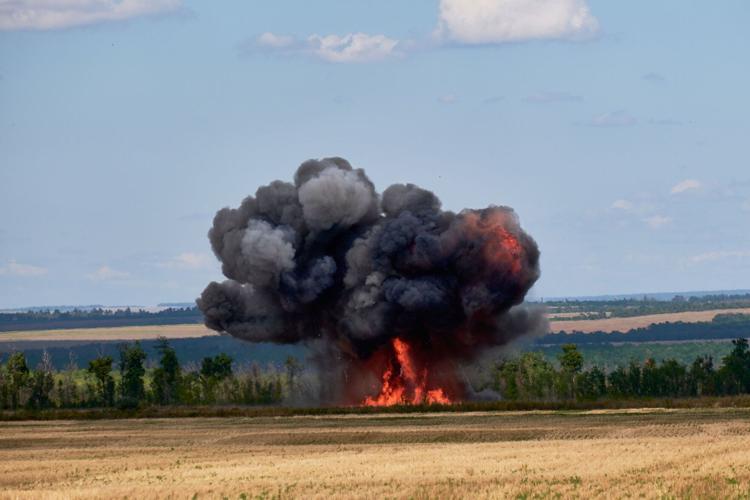
With an explosive attached, a drone costing less than $1,000 can destroy a tank worth millions.
For troops at Fort Bliss in El Paso 鈥� members of the Multi-functional Reconnaissance Company, 6-1 Cavalry Regiment 鈥� the technology and tactics were still new. And for the US military, that鈥檚 a problem.
搁耻蝉蝉颈补鈥檚 has spurred a flurry of evolution in drone warfare 鈥� so much so that the US, with one of the most advanced militaries and defense industrial complexes in the world, found itself behind. Most American soldiers lack the know-how for fighting with unmanned systems, and while the US has excelled at building large, expensive weaponry 鈥� fighter jets, tanks, precision-guided missiles 鈥� it is in many ways unprepared to quickly produce large quantities of small, cheap systems, like drones.
Defense officials are now rushing to catch up.
In July, Secretary of Defense Pete Hegseth circulated a memo to senior leaders aimed at accelerating the US military鈥檚 adoption of drones. In recent months, US troops began building and 3-D printing drones and training on simulators reminiscent of video games to learn how to guide small systems through windows, around corners or into an enemy tank鈥檚 hatch.
鈥淭his is not tomorrow鈥檚 problem. This is today鈥檚 problem,鈥� Maj. Gen. Curt Taylor, commander of the US Army鈥檚 1st Armored Division, told CNN at an Army conference in Germany in July. 鈥淎nd the first fight of the next war is going to involve more drones than any of us have ever seen.鈥�
Learning from Ukraine
While military units are working to get up to speed, the US still faces manufacturing hurdles to match the capabilities and production of countries like China, analysts and industry leaders said. A key challenge is that US weapons can鈥檛 contain Chinese parts for security reasons, but domestic alternatives are significantly more expensive.
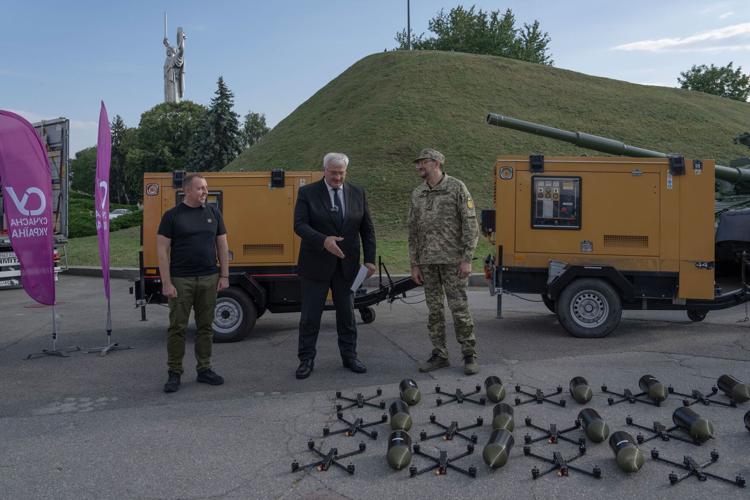
Ukraine has offered to help on drone production, as officials in Kyiv have sought to cement deeper ties with Washington to ensure Ukraine鈥檚 future security. Though Washington has sent billions in weapons to Ukraine, Kyiv now sees its opportunity to send something back to the US.
During a last month, Ukrainian leader Volodymyr Zelensky pitched President Donald Trump on a $50 billion deal to supply and co-produce drones with the US. Zelensky told journalists that the program, which hasn鈥檛 been finalized, would deliver 10 million unmanned systems annually over five years.
鈥淚n the past six months especially, there鈥檚 been some kind of radical change in the perception of how drones work and the development of the industry,鈥� Mykhailo Fedorov, Ukraine鈥檚 vice prime minister who led the country鈥檚 wartime effort to buy and mass produce drones, told CNN.
Fedorov said he鈥檚 noticed a spike in demand for Ukraine鈥檚 drone data 鈥� tens of thousands of drone-camera videos depicting successful strikes on equipment, personnel and buildings that countries and defense companies could use to train artificial intelligence systems.
Fedorov said Kyiv could potentially leverage its drone innovation in exchange for more financial or materiel support in the future.
鈥淭his a geopolitical card that our president will consider how to use,鈥� Fedorov said. 鈥淚t would be a big help to our allies, and this is exactly the right relationship to have with them. We provide high-quality drones, high-quality data and our expertise, and then we get back more security assistance.鈥�
A drone for every soldier
At a conference center in Wiesbaden, Germany, in July, Ukrainian military leaders presented a blunt assessment of NATO鈥檚 need to invest in drones to a packed room of NATO military officials and defense industry wonks.
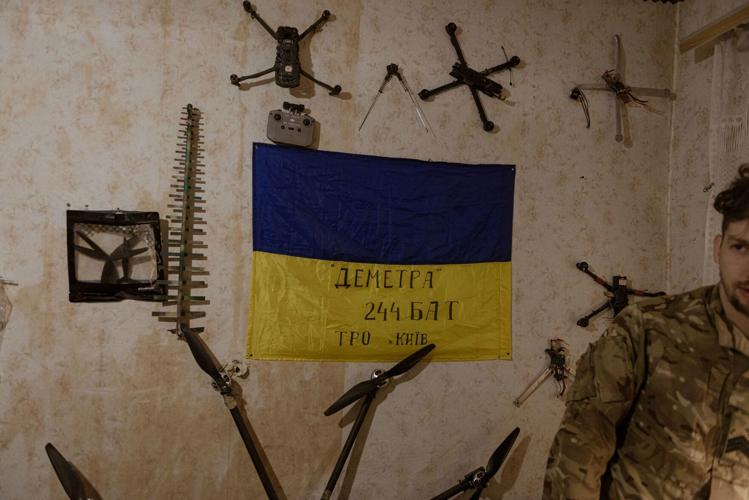
Maj. Robert 鈥淢adyar鈥� Brovdi, commander of the Unmanned Systems Forces of Ukraine, waged a bet that there is not 鈥渁 single tank of the road鈥� that could survive first-person view drones, known as FPV drones.
鈥淵ou should also understand that our experience is super valuable for all of you here, as none of the countries have this kind of experience nowadays,鈥� Brovdi said through his translator.
Maj. Gen. Volodymyr Horbatiuk, deputy chief of Ukraine鈥檚 General Staff, told the crowd that while artillery and anti-tank missiles are vital, roughly 80% of Kyiv鈥檚 success in hitting targets come from drones.
鈥淚t is not the future, it is the routine reality of how we wage our war,鈥� Horbatiuk later added.
American officials have reached the same conclusion. Hegseth鈥檚 July memo was repeatedly pointed to by military leaders who spoke to CNN as significant for getting drones into troops鈥� hands faster. The memo emphasizes that commanders should embrace risk, not shy away from it 鈥� an approach that is, ironically, nearly antithetical to how the military does business.
鈥淟ethality will not be hindered by self-imposed restrictions, especially when it comes to harnessing technologies we invented but were slow to pursue,鈥� Hegseth wrote. 鈥淒rone technology is advancing so rapidly, our major risk is risk-avoidance.鈥�
鈥淣ext year I expect to see this capability integrated into all relevant combat training, including force-on-force drone wars,鈥� he added.
That memo alone gave many commanders the top-cover they felt they needed to move faster. But the Army had already been moving in that direction as part of a broader modernization initiative bringing in new weapons and technologies. The multi-functional reconnaissance company at Fort Bliss was a product of that effort launched last year.
Col. Nick Ryan, whose office oversees the integration of unmanned aircraft into the Army, told CNN there are 鈥渁lready has plans in place鈥� to ensure every unit in the Army 鈥渞eceives unmanned aircraft systems鈥� in fiscal year 2026.
The ultimate goal is for soldiers to treat drones 鈥渁s if it was their personal weapon, their radio, their night-vision goggles or a grenade,鈥� Ryan said. 鈥淭hat it鈥檚 just something they鈥檙e so used to and so familiar with, that it鈥檚 just part of their standard kit that they take with them everywhere they go.鈥�
Welcome to Drones 101
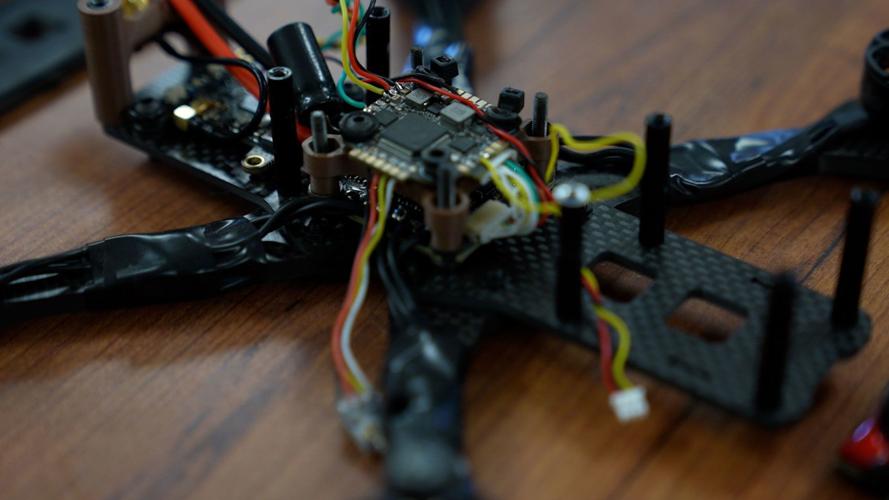
The initial two-week training at Bliss starts in a classroom, where soldiers learn how to build their own drones, crucial for the knowledge of how to fix something in the field if something goes wrong. Then, they start practicing how to fly with a computer simulator that gets them used to what is essentially a video game controller.
When that鈥檚 mastered, soldiers take their drones to an 鈥淔PV gym鈥� of sorts, where they can practice flying through hanging tires or doorways and even into a cardboard replica 鈥� with exact measurements, found online 鈥� of an adversary鈥檚 armored vehicle.
The training isn鈥檛 just happening in Texas. In Europe, every US Army unit rotating through the region will leave 鈥渨ith company-level training鈥� on drones, including using them to drop live munitions, Brig. Gen. Terry Tillis, commander of the 7th Army Training Command in Germany, told reporters in Wiesbaden in July.
A new course at Fort Benning, Georgia, expected to start in October will provide 鈥渇oundational training鈥� for all new soldiers going through One Station Unit Training 鈥� which combines soldiers鈥� basic training and advanced training for their specific jobs 鈥� to ensure they鈥檙e familiar with drones, according .
And at Fort Bragg in North Carolina, home to the Army鈥檚 storied 82nd Airborne Division, a new company stood up in 2023 is spearheading innovation for a multitude of efforts, including drones. That company 鈥� Gainey Company 鈥� also works to train others in the division on drones, company commander Capt. CJ Drew told CNN. Those training courses are constantly adjusted using feedback from other US soldiers, as well as what the military is observing in Ukraine with drone warfare.
The 82nd Airborne鈥檚 unique mission as the nation鈥檚 crisis response force 鈥� a brigade of soldiers prepared to deploy around the globe with just hours鈥� notice 鈥� signals that drone innovation and new technology provides a critical edge to soldiers in harm鈥檚 way.
A small drone could 鈥渢ake the place of a forward observer鈥� 鈥� a soldier who identifies targets for artillery fire or air support 鈥� Brig. Gen. Andy Kiser, deputy commanding general of operations for the 82nd Airborne, told CNN. They can also 鈥渆nhance鈥� the work of cavalry scouts, who are largely responsible for reconnaissance and other missions to gather information about enemy forces.
鈥淲hat that helps is we can identify IEDs ahead of time,鈥� Kiser said. 鈥淲e can identify potentially any armor ambushes, small ambushes. We can ensure we鈥檝e got actual enemy threats in buildings before we strike because we can get in there and look at windows and see what鈥檚 postured to attack us moving forward.鈥�
Emil Michael, a former Uber executive who now runs the Pentagon鈥檚 research and engineering office, told CNN the urgent efforts are about more than using drones in actual combat, but also the support roles they鈥檒l fill, such as delivering critical supplies and medical assistance. Michael鈥檚 office oversees the Pentagon鈥檚 work on technology innovation and advises the defense secretary on manufacturing, engineering and research.
鈥淵ou could do a lot of things where there was otherwise risk to humans, and do it now with machines,鈥� Michael said. 鈥淎nd that鈥檚 pretty exciting in that you could really have your troops as well protected as they鈥檝e ever been before.鈥�
Cracking into the Ukrainian market
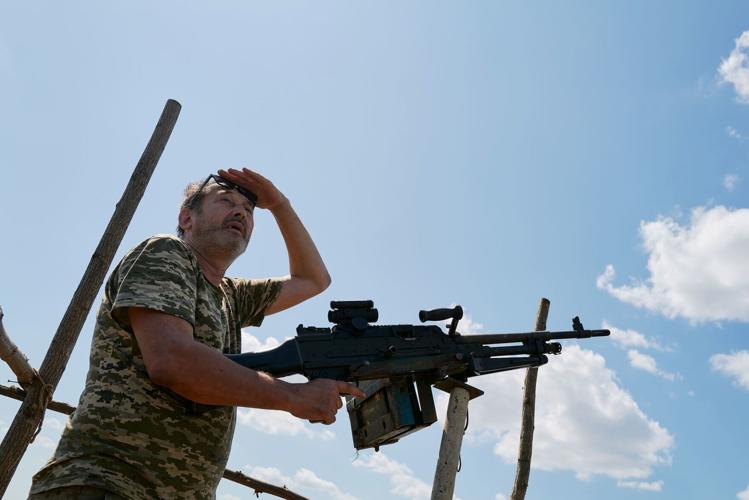
The overwhelming majority of the drones Ukrainian soldiers use on the front lines today are made in Ukraine. However, in the early months of the war, US-made attack drones 鈥� 100 Switchblade loitering munitions 鈥� were included in American weapons assistance packages.
The lightweight, fixed-wing drones were reserved for Ukraine鈥檚 top special forces units 鈥� a sign of how Kyiv prized the technology as one of the first modern weapons it received from allies. But the US eventually stopped providing Switchblade drones to Ukraine, in part because of feedback from Ukrainian soldiers that they weren鈥檛 as effective as alternatives against Russian electronic warfare.
Within the war, there is a technological arms race between Ukraine and Russia, each trying to improve on the other鈥檚 latest innovation. That鈥檚 given companies in Ukraine an edge over foreign competitors, which lacked the direct contact with soldiers in the field.
鈥淭he winner is who can update their technology the fastest,鈥� said Fedorov, the Ukrainian minister. 鈥淯krainian companies were here on the ground and getting feedback, so they were able to overtake other types of drones that didn鈥檛 really work.鈥�
That鈥檚 led some leading US drone producers, such as Neros and Anduril, to send teams to Kyiv and cut deals with the Ukrainian government to get their drones on the front lines.
鈥淲e didn鈥檛 see a point in building an FPV drone and not bringing it to Ukraine,鈥� said Soren Monroe-Anderson, CEO and co-founder of Neros.
Neros earlier this year won a contract to deliver 6,000 FPV attack drones to Ukraine over six months. The company is just two years old and part of a new guard of US firms in the defense industry sphere, traditionally ruled by giants such as Northrop Grumman and Lockheed Martin. Neros is a tech startup, which got early venture capital funding from billionaire Peter Thiel.
鈥淔rankly, when we started the company, the DoD was not very interested in what we were doing,鈥� Monroe-Anderson told CNN. 鈥淚t was just a lot of buzzwords about a critical mass and building cheap drones, but no one knew what an FPV drone was and no one cared about small quadcopters.鈥�
Monroe-Anderson said he took 30 FPV drone prototypes on his first trip to Ukraine. Neros went through 鈥渟o many鈥� iterations of its drone over successive trips to Ukraine.
鈥淲e just kept on the path of developing stuff based on the feedback we got from Ukraine and continuously testing it there and going over to Ukraine,鈥� he said. 鈥淎nd then eventually that became extremely valuable in the eyes of the DoD.鈥�
鈥楲iterally 100 times more expensive鈥�
The push for smaller, cheaper systems is an overhaul in the traditional way of thinking for the defense industry. Companies can no longer afford to take years to develop or update something that could already be outdated by the time it鈥檚 put into the hands of a soldier on the front lines.
Chris Bose, president of Anduril Industries, says the problem is that the Pentagon historically has treated drones the same way it treats the acquisition of any kind of large defense item. 鈥淎nd you basically have to model the acquisition of these kind of lower-cost, autonomous, uncrewed systems as basically the inverse of our traditional military capabilities,鈥� Bose said in an interview with CNN.
While Ukrainian companies typically use cheap Chinese parts and chips in their drones, those components are prohibited in US weapons. Monroe-Anderson said Neros quickly realized making those parts in America was in some cases 鈥渓iterally 100 times more expensive.鈥� Producing high volumes would bring the cost down, but there isn鈥檛 enough demand.
And since Chinese companies like DJI already rule the consumer drone space, American FPV drone manufacturers are dependent on Pentagon contracts, which haven鈥檛 been for large volumes yet. The Pentagon鈥檚 Replicator initiative 鈥� announced in 2023 as a program intended to drive large-scale production of cheap systems for the US military 鈥� set out to build just 3,000 drones in two years.
鈥淭he state of the industry is pretty abysmal,鈥� Monroe-Anderson said. 鈥淣eros produces 2,000 drones per month, and we have the highest-rate drone manufacturing line in America, which to me is crazy because that is not that big of a number.鈥�
Ukrainian companies have increased their production capacity to produce 4 million drones this year, the country鈥檚 defense minister said in June. That includes Ukraine鈥檚 impressive arsenal of long-range attack drones, some of which are capable of striking targets more than 1,000 miles away. Ukraine has also developed a line of naval drones that have successfully combatted 搁耻蝉蝉颈补鈥檚 larger fleet in the Black Sea.
To incentivize Ukrainian troops and drone units, Kyiv created a points system that rewards each successful strike recorded by video. The more points a battalion or company score, the more drones they receive to continue hitting targets. Those videos, Fedorov said, now comprise the drone data set other countries want for training artificial intelligence models.
But Ukraine remains open to foreign drone manufacturers, and Fedorov said the country has pitched itself as a testing ground for defense companies wanting to see how their product performs in real war conditions. Brave1, a defense technology incubator affiliated with the Ukrainian government, recently launched a 鈥淭est in Ukraine鈥� initiative for defense companies to apply for their weapons to be used on the front line.
As the drone proliferation on both sides increased, the battlefield crawled to a freeze. Anywhere within 15 miles of the front line is now considered a no-go zone because that鈥檚 where most drones can reach, and some will target even small groups of infantry spotted walking. Vehicular movement in that area is especially dangerous, limiting the armies鈥� options to resupply or rotate forces.
Analysts and officials said drone warfare would likely look different in a conflict in the sprawling Indo-Pacific than it does on the often-static front lines of the Ukraine-Russia conflict. But the same technology will likely be used, and China already produces tens of millions of small drones every year, a concern to the US.
鈥淲e have to be ready for that,鈥� said Samuel Bendett, a military analyst and adviser with the Center for Naval Analyses. 鈥淲e have to understand what it鈥檚 like. This is a technological change that is irreversible at this point.鈥�
The-CNN-Wire
鈩� & 漏 2025 Cable News Network, Inc., a Warner Bros. Discovery Company. All rights reserved.