

(CNN) 鈥� Millions of Americans watched for 18 seasons as people pushed their bodies to the limits physically, ate as few calories as possible, and underwent sometimes mortifying challenges to be crowned 鈥淭he Biggest Loser.鈥�
It was discomfort worth grappling with for a shot at better health and a new life, many of the contestants said. But 鈥淔it for TV: The Reality of 鈥楾he Biggest Loser,鈥欌�� a Netflix docuseries premiering Friday, suggests that the cultural phenomenon may not have been healthy for the contestants or the country at large.
When creating the new show, filmmakers asked themselves whether 鈥淭he Biggest Loser鈥� was, in fact, part of an industry promoting health and wellness in the United States, said Skye Borgman, the director of the docuseries. 鈥淓verybody always wants a magic bullet that鈥檚 real. And the thing about magic bullets 鈥� they鈥檙e never real.鈥�
鈥淔it for TV: The Reality of 鈥楾he Biggest Loser鈥欌�� investigates how the highly popular show affected the contestants and conversations around health. The docuseries also explores the implications of so many viewers being willing to watch 鈥撯�� and sometimes laugh at 鈥撯�� people attempting to lose weight.
鈥淚t was such a huge phenomenon and absolutely reflected and perpetuated some of the really harmful messages around weight and weight loss,鈥� said Dr. Rebecca Pearl, associate professor of clinical and health psychology at the University of Florida.
Promoting health or harm?
In a show claiming to transform people鈥檚 health, what did the contestants鈥� regimens look like?
Men were advised to cut their calories down to 1,500 to 2,000 per day and women to 1,200 per day, said Dr. Robert Huizenga, physician on 鈥淭he Biggest Loser,鈥� in the series. But sometimes, trainers might have recommended as few as 800 calories daily, he added.
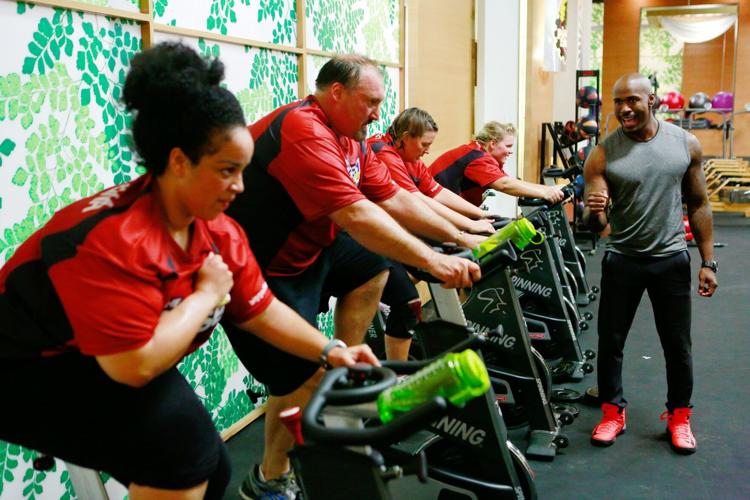
The amount of exercise was also intense, sometimes spanning eight hours a day, former contestant Danny Cahill said in the docuseries.
The series showed clips of contestants dropping to the floor from a treadmill run, many people vomiting in the gym, and instances when caffeine pills were utilized to curb appetite.
鈥淭here鈥檚 not any way that an entertaining show and a health show can 100% exist together. 鈥� One of them is always going to take the lead,鈥� Borgman said. 鈥淚n the case of 鈥楾he Biggest Loser,鈥� I feel like the entertainment value of the show far outran the health aspects of the show.鈥�
An extreme diet and exercise regimen is associated with significant health risks, Pearl said. Losing too much weight too quickly or not getting enough calories can lead to , muscle loss and nutritional deficits, she said. can result in heart problems, dehydration and injury 鈥撯�� which also prevents people from maintaining healthy behaviors.
Eating a balanced diet and getting movement in your day is generally good for health, but the punishing approach to food and exercise showcased on 鈥淭he Biggest Loser鈥� also worked against long-term health-promoting activities, Pearl added.
鈥淥ne predictor and one recommendation for engaging in physical activity long term is to find an activity you enjoy,鈥� she said. 鈥淭he kind of grueling, suffering activity that was shown on that show is not setting someone up to build a healthy, positive relationship with physical activity or with their body.鈥�
When the weight comes back
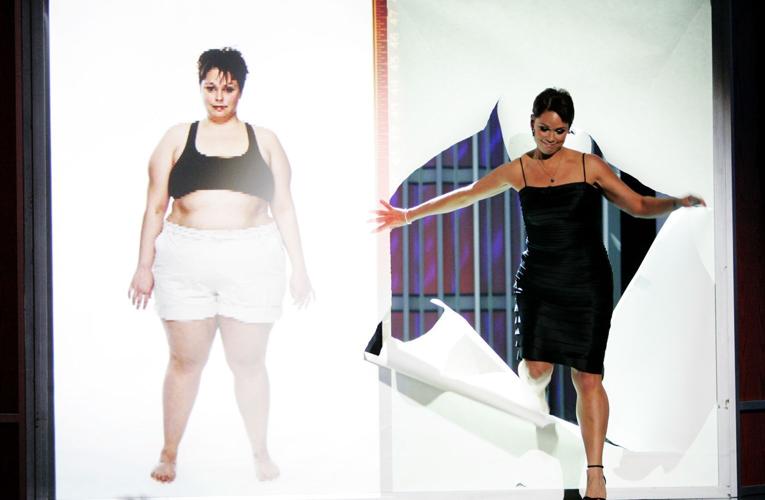
One theme that may have kept viewers coming back to the show was the hope that someone could make a dramatic, lasting change to their body. But a weight loss transformation that stood the test of time wasn鈥檛 always necessarily the result even in 鈥淭he Biggest Loser,鈥� Borgman said.
following 14 contestants in the years after 鈥淭he Biggest Loser鈥� wrapped found that many regained much or all the weight they had lost over the course of the show.
The return of the weight makes sense, said Dr. Larissa McGarrity, clinical psychologist in physical medicine and rehabilitation at University of Utah Health. The degree of calorie restriction and intensity of exercise were at levels that neither the contestants nor the viewers could implement at home in a realistic way, she said. Also, the amount of weight lost from week to week was extreme.
At times, show participants were losing up to double digits at each weekly weigh in. Experts tend to recommend a sustainable weight loss rate of 1 to 2 pounds per week, McGarrity said 鈥� adding that the best guidance is to utilize the methods you can keep up long-term.
鈥淭he answer instead is probably, 鈥榟ow do I slowly make changes in my life that help me to get in the right nutrients to help my body feel good? How do I move in a way that will allow my body and mind to feel at its best over time?鈥欌�� she said. 鈥淢aking too many changes at once tends to not go well for most people from a psychological or behavioral standpoint.鈥�
Even if viewers at home could implement the stringent protocol followed by 鈥淭he Biggest Loser鈥� contestants, metabolic changes from the dramatic weight loss depicted on the show made it harder to keep the weight off.
Six years after contestants were on the show, the 14 studied on average still had a slower metabolisms, even if they had regained about two-thirds of the weight they had lost, according to the study. Their bodies were naturally burning fewer calories throughout the day and increasing hunger cues.
鈥淚t essentially means that keeping the weight off long term is nearly impossible without continued extreme measures over many years, because your body will fight against you to maintain that weight or defend that weight at that initially higher level,鈥� McGarrity said.
Laughing at fatness
Often interwoven into 鈥淭he Biggest Loser鈥� 鈥撯�� from coaches, in depictions of bodies, and in the audience interactions 鈥撯�� was a lot of shame, McGarrity said.
The format supported a myth around weight: that the size of a person鈥檚 body is totally under their control, and having a larger body is a sign of lack of willpower or moral failing, she said.
That myth ignores the realities of things like genetics, environment and individual metabolisms, and it paves the way for denigration and callousness, she said.
鈥淐ruelty, verbal abuse, sort of indirect physical abuse, in terms of being forced to really torture your body in unhealthy ways 鈥撯�� there was a sense that if you鈥檙e in a larger body, you deserve this,鈥� said Oona Hanson, a parent coach who specializes in helping families navigate diet culture and eating disorders.
鈥淚t made us participate as viewers in kind of like a pity or even disgust response in terms of the way people鈥檚 bodies were portrayed, in the way they talked about their bodies,鈥� she added.
The docuseries showed just how dehumanizing or degrading those images could be, with cameras shaking as contestants fell to make it look like they caused an earthquake or challenges asking contestants to carry whole loaves of bread in their mouths.
鈥淲ithout really being completely aware of it, the show succeeded in making fun of fat people,鈥� Borgman said.
Some contestants did say that they found empowerment and representation in being part of a competition in which they succeeded in goals and accomplished physical feats, she added. But it isn鈥檛 hard to find a clip from 鈥淭he Biggest Loser鈥� in which contestants are put in disparaging situations, Pearl added.
Content that stigmatizes the size of a person鈥檚 body and emphasizes thinness at all costs impacts not just the contestants, but also the viewers at home, Hanson said. It鈥檚 hard for those viewers not to internalize those negative stereotypes, affecting how people see their communities and themselves.
鈥淭he Biggest Loser鈥� may have been canceled years ago, but 鈥淔it for TV鈥� shares that the reality show鈥檚 lasting influence underscores the fact that the United States has not elevated the way people talk about weight and bodies, Borgman added.
鈥淲e as a culture feel like we鈥檙e super evolved. 鈥� We don鈥檛 judge. We take people for who they are,鈥� she said. 鈥淚 don鈥檛 think that鈥檚 true at all. So, I hope people walk away from this series and look at themselves a little bit more and how we treat people.鈥�
The-CNN-Wire
鈩� & 漏 2025 Cable News Network, Inc., a Warner Bros. Discovery Company. All rights reserved.