

(CNN) 鈥� Imagine boarding a flight from Seattle to London, but instead of burning fossil fuel, your plane鈥檚 engine runs on fuel created 鈥� quite literally 鈥� from thin air.
It sounds like science fiction, but research labs are already working on making it happen. So far it鈥檚 on a very small scale. A new class of sustainable aviation fuel (SAF) pulls carbon dioxide (CO鈧�) from the air and turns it into jet fuel, offering a glimpse into a future where aviation could be virtually emissions-free.
The catch? The price tag for these e-fuels is still sky-high.
The high cost 鈥� and potential 鈥� of e-fuels
Sustainable aviation fuel prices vary depending on how they鈥檙e made, and none of these fuels are widely used yet.
There are two main types: bio-based SAF, made from organic materials like used cooking oil and agricultural waste, and e-SAF (also known as electrofuels, e-kerosene and e-fuels), made with renewable hydrogen and CO鈧� captured from the air.
E-fuels are the most expensive option, largely due to the high cost of carbon capture and electrolysis. But they hold immense promise: they could be genuinely carbon-neutral.
鈥淎mong all alternatives to fossil jet fuel, e-kerosene offers the most promising path to decarbonize the aviation sector,鈥� says Camille Mutrelle, aviation policy officer at , a European nonprofit focused on sustainable transport. 鈥淯nlike bio-based SAF, which is limited by feedstock availability and land use concerns, e-kerosene can be sustainably scaled up to meet aviation fuel demand without competing with food production.鈥�
Lifecycle emissions for e-SAF can approach zero 鈥� especially when it鈥檚 made using CO鈧� captured directly from the air and powered by renewable electricity, Mutrelle adds.
Though the market is still nascent, the first commercial flights using e-fuels, at least in part, are expected by 2030, Mutrelle says. More than 30 industrial-scale projects are already underway across Europe, and major airlines including United Airlines and IAG are beginning to invest.
鈥淲e expect broader deployment in the 2030s as production ramps up and costs fall,鈥� Mutrelle adds.
According to the European Union Aviation Safety Agency, e-fuels currently average 7,695 euros (about $8,720) per ton. Bio-based SAF is cheaper, at 2,085 euros (about $2,365) per ton, but still far more expensive than conventional jet fuel, which averages 734 euros (about $830) per ton.
This massive price gap explains why SAF adoption 鈥� especially e-fuels 鈥� has been slow.
Turning air into jet fuel
So what鈥檚 the science that could power a 280-ton Dreamliner across the Atlantic 鈥� using nothing but air, water and renewable energy?
Carbon capture fuels avoid the environmental pitfalls of traditional biofuels, which often rely on monoculture crops like sugarcane that can damage biodiversity and compete with food production.
Instead, e-fuels use CO鈧� from the atmosphere (or industrial emissions), plus hydrogen extracted from water via electrolysis using renewable electricity. The result is a synthetic jet fuel that can be used in existing aircraft engines, recycling carbon instead of adding more to the atmosphere.
Among the companies pioneering this approach is Twelve, a California-based startup developing low-temperature CO鈧� electrolysis. It鈥檚 an energy-efficient method of turning CO鈧� and water into syngas, the foundation of fuel that鈥檚 synthetic, or simply made of something other than natural fossil resources.
鈥淥ur way is the electrochemistry way, where we鈥檙e doing CO鈧� electrolysis at the front end 鈥� and we鈥檙e doing it at low temperatures,鈥� says Ashwin Jadhav, Twelve鈥檚 vice president of business development. 鈥淭here鈥檚 not many folks out there focused on that.鈥�
This low-temp process uses less energy than traditional high-heat methods and integrates easily with wind and solar, making e-fuel production more efficient and scalable. These 鈥渁ir-based fuels鈥� can reduce emissions by up to 90% compared to fossil jet fuel, without the drilling, refining, and transport pollution of oil, according to representatives at Twelve.
Twelve鈥檚 first production plant, called AirPlant One, is opening this year in Washington state and the company plans to make 50,000 gallons of sustainable aviation fuel (SAF) annually. United Airlines is one of the major supporters helping to make this first round of mass-scale production possible. Twelve has also signed a major deal to supply 260 million gallons of SAF over 14 years to Europe鈥檚 International Airlines Group (which owns Vueling, Iberia, Aer Lingus and British Airways).
And while Twelve鈥檚 fuel hasn鈥檛 yet powered a commercial flight, the company aims to supply e-fuel for flights within the next year. Microsoft is part of a three-way partnership with Alaska Airlines and Twelve, whereby Microsoft will offset business travel emissions resulting from employees flying on Alaska Airlines.
For now, the expectation is to blend e-SAF with fossil fuels until production of e-SAF is scaled up to fill tanks. 鈥� with specific targets for e-fuel adoption along the way.
Why e-fuels aren鈥檛 taking off yet
While the technology for green skies already exists, shifting from fossil fuels to truly sustainable aviation is a long, complicated journey. Existing, longstanding investments in oil, political considerations and the pace of regulation all play a role in how quickly the transition takes flight.
鈥淓conomies of scale are needed to lower prices, but the high upfront costs discourage airlines from adopting SAF widely,鈥� says Marina Efthymiou, a professor of aviation management at Dublin City University. 鈥淲ithout strong policy interventions 鈥� such as subsidies, tax credits, and mandates 鈥� the financial gap is simply too large to overcome.鈥�
She notes that e-fuels have the highest emissions-reduction potential of any SAF 鈥� but also the steepest startup costs.
So far, most SAF usage by airlines has involved bio-based fuels, especially HEFA-SPK (Hydroprocessed Esters and Fatty Acids), which are more commercially available.
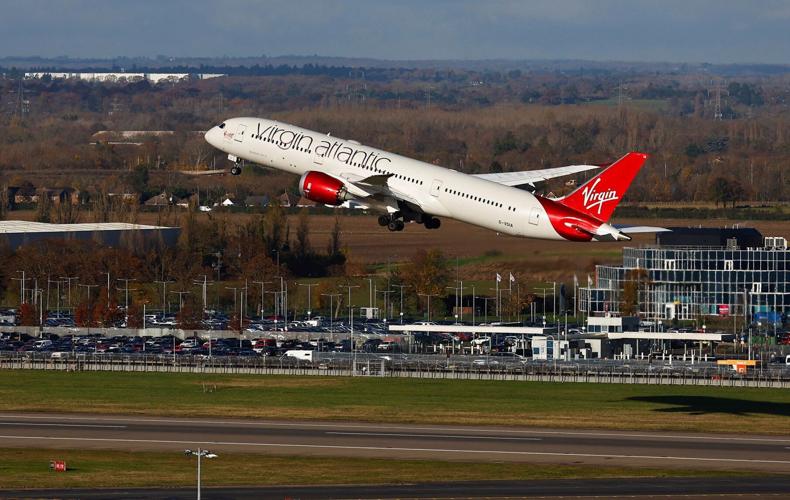
In November 2023, Virgin Atlantic flew the first transatlantic flight powered entirely by sustainable fuels 鈥� made from waste fats and plant sugars. No fossil fuel. No e-fuels either. It showed that clean aviation is possible, though next-generation options like e-fuels are still too expensive and difficult to scale.
Airlines including Emirates, Cebu Pacific, Virgin Atlantic and British Airways have all flown using SAF, though details are often vague.
鈥淎irlines aren鈥檛 always transparent about how much SAF they鈥檙e using, the blend percentage, or which type of SAF they rely on,鈥� Efthymiou says.
Across the energy, technology, and aviation sectors, a growing number of companies are investing in sustainable aviation fuel (SAF). Airlines like United, Delta, Lufthansa, Japan Airlines, and Air France-KLM have committed to scaling up SAF usage, while energy giants like Shell, BP, and TotalEnergies are funding SAF production facilities.
Tech companies such as Microsoft, Amazon, and Google have pledged SAF purchases to offset business travel emissions. However, investment in electrofuels (eSAF) 鈥� produced by combining captured CO鈧� and renewable electricity 鈥� is still far more limited.
Early adopters like United Airlines, Lufthansa Group, IAG (British Airways鈥� parent company), and Japan Airlines have signed partnerships with companies like Twelve, Infinium, and Synhelion. Because eSAF is significantly more expensive and energy-intensive to produce than bio-based SAF, corporate investment remains cautious, and large-scale deployment will depend heavily on regulatory support and technological breakthroughs.
Barriers to entry: Why e-fuels are so expensive
E-fuels are hard to make and even harder to scale. The required infrastructure 鈥� carbon capture units, electrolysis systems, fuel synthesis plants 鈥� is costly to build.
Production also demands huge amounts of renewable energy. Electrolysis, which entails using electricity to isolate hydrogen in water, alone requires large-scale green hydrogen generation, which is still developing in most regions.
鈥淓-fuels have the potential to be the most sustainable form of SAF because they can be produced without land use, agricultural input, or waste feedstocks,鈥� says Efthymiou. 鈥淏ut that depends on the source of electricity and CO鈧�. The sustainability promise only holds if the inputs are truly renewable.鈥�
In short, e-fuels will only be as clean as the grid that powers them.
Still, a major upside is that e-fuels work with existing aircraft.
鈥淢ost estimates suggest e-fuels could become more cost-competitive by the mid-2030s,鈥� Efthymiou says, 鈥渄epending on renewable electricity prices, carbon pricing and technological improvements.鈥�
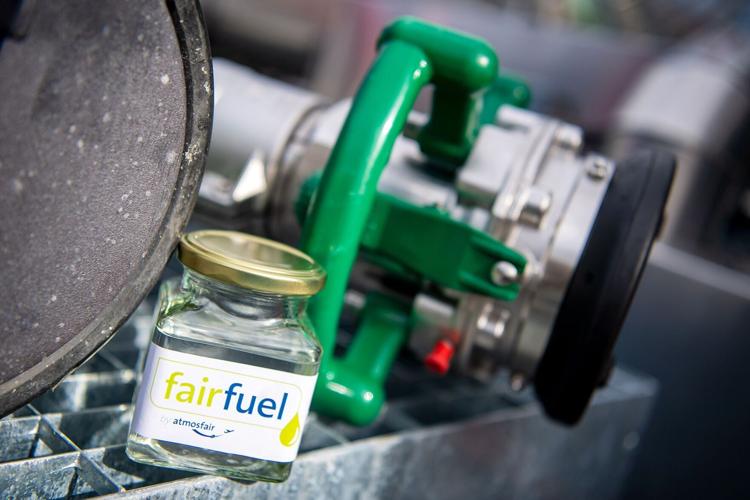
Small-scale demo plants are already running 鈥� like Ineratec and Atmosfair in Germany, and Infinium and Twelve in the US.
But volumes remain tiny, and costs are high.
鈥淲ithout a solid regulatory push, airlines just aren鈥檛 motivated to switch,鈥� says Mutrelle.
The road to takeoff
Still, with continued investment, policy support, and technological advancements, experts believe that the idea of flying on fuel made from air could become a reality.
Though pragmatic about the challenges faced, many experts are optimistic.
Jonathon Counsell, head of sustainability at International Airlines Group, is one.
鈥淥f course the ultimate goal is to take CO鈧� directly from the atmosphere,鈥� Counsell says. 鈥淎t first, we鈥檙e capturing CO鈧� from industrial plants to prevent it from entering the air. But the next step is direct air capture 鈥� sucking carbon out of the atmosphere itself. That鈥檚 where we really want to get to.鈥�
He points out that SAF production has already grown from 100 tons to over a million tons in just a few years 鈥� evidence that scaling is possible.
While carbon capture fuels remain a long-term solution rather than a present reality, if governments, airlines, and innovators align, the idea of flying on fuel made from air could take off sooner than we think.
The-CNN-Wire
鈩� & 漏 2025 Cable News Network, Inc., a Warner Bros. Discovery Company. All rights reserved.